Watching a movie can feel like a simple way to unwind, but if you pay close attention, you’ll often find hidden details that enrich the story. From background objects to subtle camera angles, filmmakers use clever techniques that most viewers miss on the first watch. These details aren’t just for trivia—they often add layers of meaning, humor, or emotional depth that reward careful observation.
Easter Eggs and References
Many films include hidden references, or “easter eggs,” that nod to other movies, pop culture, or the creators’ previous work. For instance, Pixar is famous for slipping characters from one movie into the background of another, creating a shared universe. Spotting these easter eggs can feel like a fun scavenger hunt and shows how thoughtful filmmakers are about connecting their projects in small, playful ways.
Background Characters and Actions
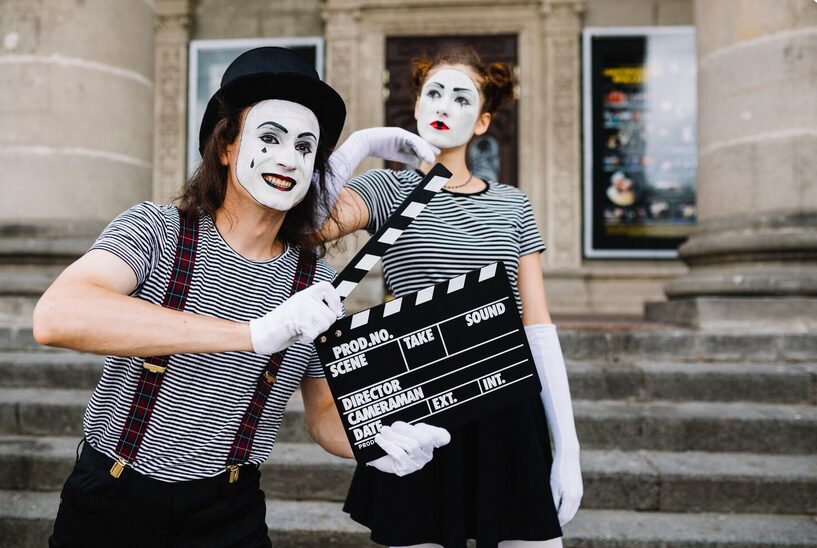
Background characters can sometimes tell their own mini-stories that enhance the main plot. In busy city scenes, you might notice people reacting to events in ways that echo the main characters’ feelings, or small actions that provide context for the world around them. These subtle touches make scenes feel more alive and realistic, even if they’re easy to miss.
Symbolic Objects and Colors
Filmmakers often use objects or colors to communicate themes subtly. A red balloon, a worn photograph, or even the repeated use of a particular color can symbolize love, danger, or loss. These visual cues can hint at a character’s emotions or foreshadow key events. Most viewers notice the story and dialogue, but the details in the frame often carry just as much meaning.
Clever Camera Work
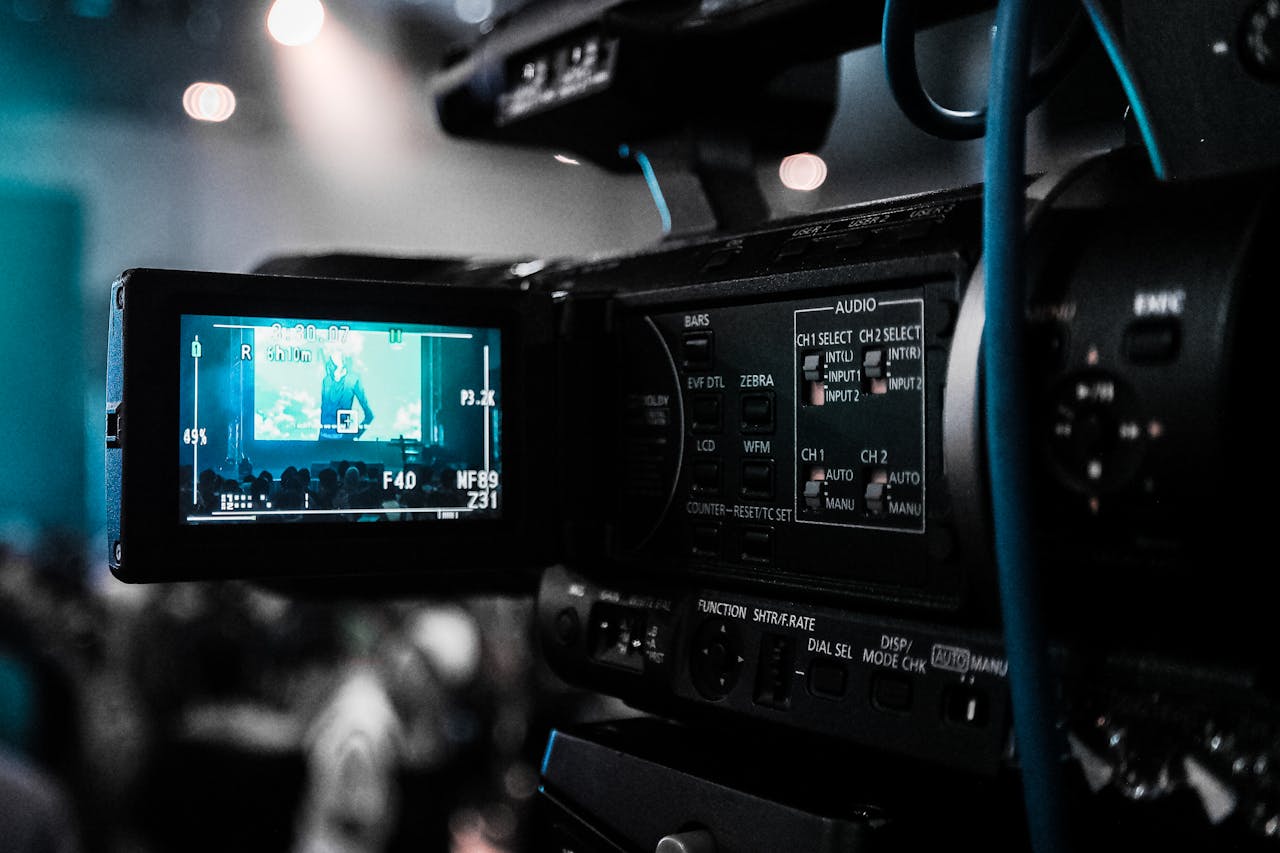
The way a scene is shot can convey a lot more than it seems. Camera angles, focus, and framing can guide your attention, reveal hidden emotions, or create tension. For example, a character might appear small in the frame to show vulnerability, or the camera might linger on a background object that hints at an upcoming plot twist. These techniques are designed to influence your perception without you even realizing it.
Subtle Dialogue and Wordplay
Dialogue in movies often has layers beyond the apparent meaning. Characters may use puns, double entendres, or references that hint at their true intentions or hidden connections. Some lines are included for humor that only specific audiences will catch, while others plant clues for plot twists. Paying close attention to what is said—and how it’s said—can completely change your understanding of a scene.
Music and Sound Details
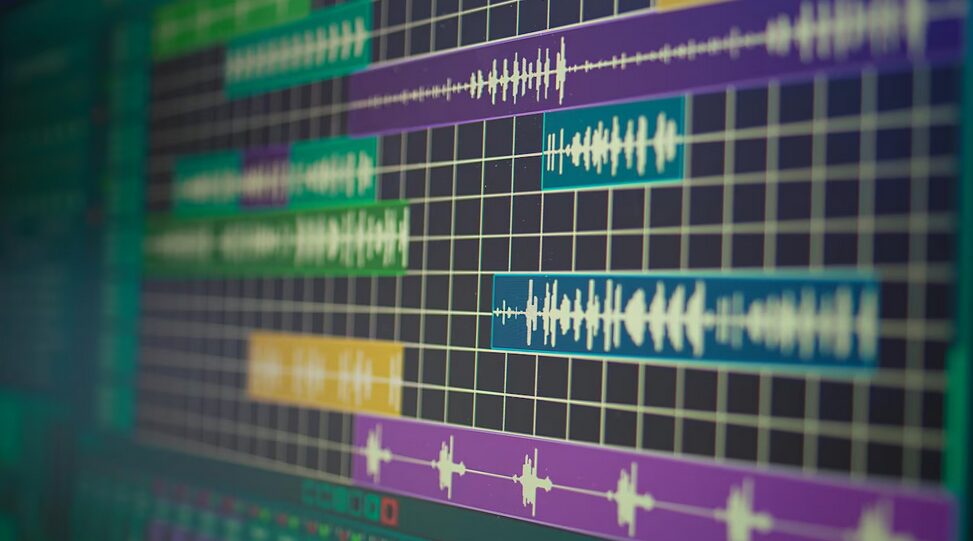
Sound design and music often contain hidden layers as well. Background noises, faint whispers, or recurring musical motifs can emphasize emotion, highlight themes, or even foreshadow events. You might only notice these elements after multiple viewings, but they play a key role in shaping how the audience experiences the story.
Movies are far more than moving pictures with dialogue—they’re carefully crafted experiences filled with hidden details that reward attention and curiosity. From subtle visual cues to background action, wordplay, and music, filmmakers pack layers of meaning into almost every frame. The next time you watch your favorite film, try looking a little closer—you might discover secrets you never noticed before and gain a whole new appreciation for the art of storytelling.