
The House Edge: How it Works
One of the fundamental concepts that casinos thrive on is the house edge, a term that describes the statistical advantage that the casino holds over players in every game. This edge varies significantly between games, with some offering better odds than others. For example, while blackjack has a relatively low house edge of around one percent with optimal play, games like slot machines can have a house edge exceeding ten percent. Players seeking strategies for better outcomes often explore options like ontario casino fast withdrawal to enhance their experience and understanding of the games.
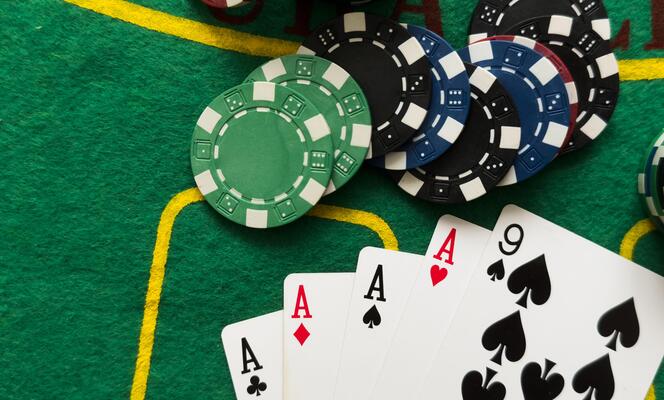
Most gamblers fail to consider how the house edge affects their betting strategies and overall success. Many believe they can beat the game through luck or special techniques, but the reality is that over time, the house edge will ensure the casino remains profitable. Players are often drawn in by flashy lights and the excitement of the games, but they need to recognize that the odds are not in their favor. This is a secret that casinos utilize to their advantage, keeping players engaged while knowing that they will ultimately lose money in the long run.
Moreover, casinos often use psychological tactics to reinforce the house edge. For instance, offering free drinks while gambling can intoxicate players, causing them to make riskier decisions and overlook the actual odds they are facing. By fostering an environment where players feel comfortable and liberated, casinos can maintain the illusion of winning while ensuring that their advantage remains intact. Understanding the house edge is crucial for any player wanting to delve into the world of casinos successfully.
The Illusion of Winning
One of the most effective tactics casinos use is creating an illusion of winning for their players. This is often accomplished through carefully designed games and compulsion strategies that make players feel as though they are closer to winning than they actually are. For example, slot machines are programmed to display near-misses, which can lead players to believe that a win is just around the corner. This tactic keeps players engaged and encourages them to continue betting in hopes of hitting that elusive jackpot.
The bright lights, celebratory sounds, and visual cues that accompany winnings all contribute to this illusion. When a player celebrates a small win, it reinforces the feeling of success, overshadowing the greater losses that may have occurred. This sensory overload can deceive players into thinking they have a better chance of winning than they do, often leading them to increase their bets and prolong their stay in the casino, despite the underlying math that suggests otherwise.
Another significant aspect of this illusion is the timing of payouts. Casinos often delay payout notifications, allowing emotions to escalate and creating a moment of euphoria when a player finally receives their winnings. This delay can make the win feel even more satisfying, further entrenching players in the cycle of gambling. By manipulating how winnings are presented, casinos effectively maintain the perception that players can beat the odds, masking the harsh truth of gambling losses.
The Role of Comps and Loyalty Programs
Casinos invest significantly in their loyalty programs, also known as comps, offering perks to keep players returning. These can come in the form of free drinks, meals, room stays, or tickets to shows. While these rewards can seem generous, they often serve a dual purpose: they create a sense of belonging and appreciation, encouraging players to gamble more. Players may feel compelled to spend more money to earn their rewards, inadvertently increasing the casino’s profits.
Moreover, many players are unaware of how easily they can accumulate points and thus, how much they are actually spending versus what they perceive they are receiving in rewards. Comp programs are structured to ensure that players are always incentivized to keep playing, regardless of whether they are winning or losing. As players chase these rewards, they often overlook the costs associated with their gambling activities, which can compound into significant losses over time.
Understanding the true value of comps is essential for players who wish to maximize their gaming experience. While free rewards may seem appealing, they can lead to a false sense of security. Casinos are expert marketers, creating a tapestry of rewards designed to mask the reality that winning is not guaranteed. Players should remain vigilant and recognize the fine print often hidden within these programs, as they are ultimately structured to benefit the casino.
The Influence of Casino Design
The physical layout and design of casinos are carefully engineered to enhance the gaming experience while maximizing profit. From the moment a player walks through the door, they are enveloped in an environment meant to disorient and captivate. For instance, the absence of clocks and windows is a deliberate design choice that prevents players from keeping track of time, encouraging them to stay longer than they initially intended.
Furthermore, casinos often employ a maze-like layout, leading players through a labyrinth of games without a clear route to exits. This deliberate design prevents players from leaving and encourages them to venture further into the casino, thus increasing the likelihood of additional spending. The strategic placement of high-stakes games next to lower-stakes ones can also entrap players, prompting them to gamble beyond their intended budget.
Soundscapes also play a significant role in casino design. The soft buzz of slot machines, the cheers from table games, and the overall energetic ambiance create a euphoric environment that can lead to impulsive decisions. Casinos are well aware of how sensory stimuli can affect gambling behavior, and they utilize this knowledge to maintain a lively atmosphere that promotes continued play. Understanding these design elements can empower players to be more mindful of their surroundings and maintain better control over their gambling habits.
Understanding Responsible Gambling Resources
Many players are unaware that casinos provide resources and support for responsible gambling, often hidden amid the glitter of the gaming floor. While casinos may promote the idea of fun and excitement, they are also obligated to offer information regarding problem gambling and resources for assistance. This duality is sometimes overlooked by players who get caught up in the high-energy environment but can be essential for those who need support.
Resources such as helplines, support groups, and informational pamphlets are typically available, although they may not be aggressively promoted on the casino floor. These resources can provide crucial support for players who recognize their gambling may be getting out of control. By understanding that help is available, players can make informed decisions and seek assistance if needed, helping to mitigate the negative impact of gambling.
Additionally, many casinos have begun to implement self-exclusion programs, allowing players to voluntarily ban themselves from the casino for a specified period. Such measures demonstrate how casinos acknowledge the potential for gambling addiction and the importance of providing avenues for recovery. Being aware of these options is vital for players who wish to engage responsibly and maintain a healthy relationship with gambling.